Optical design
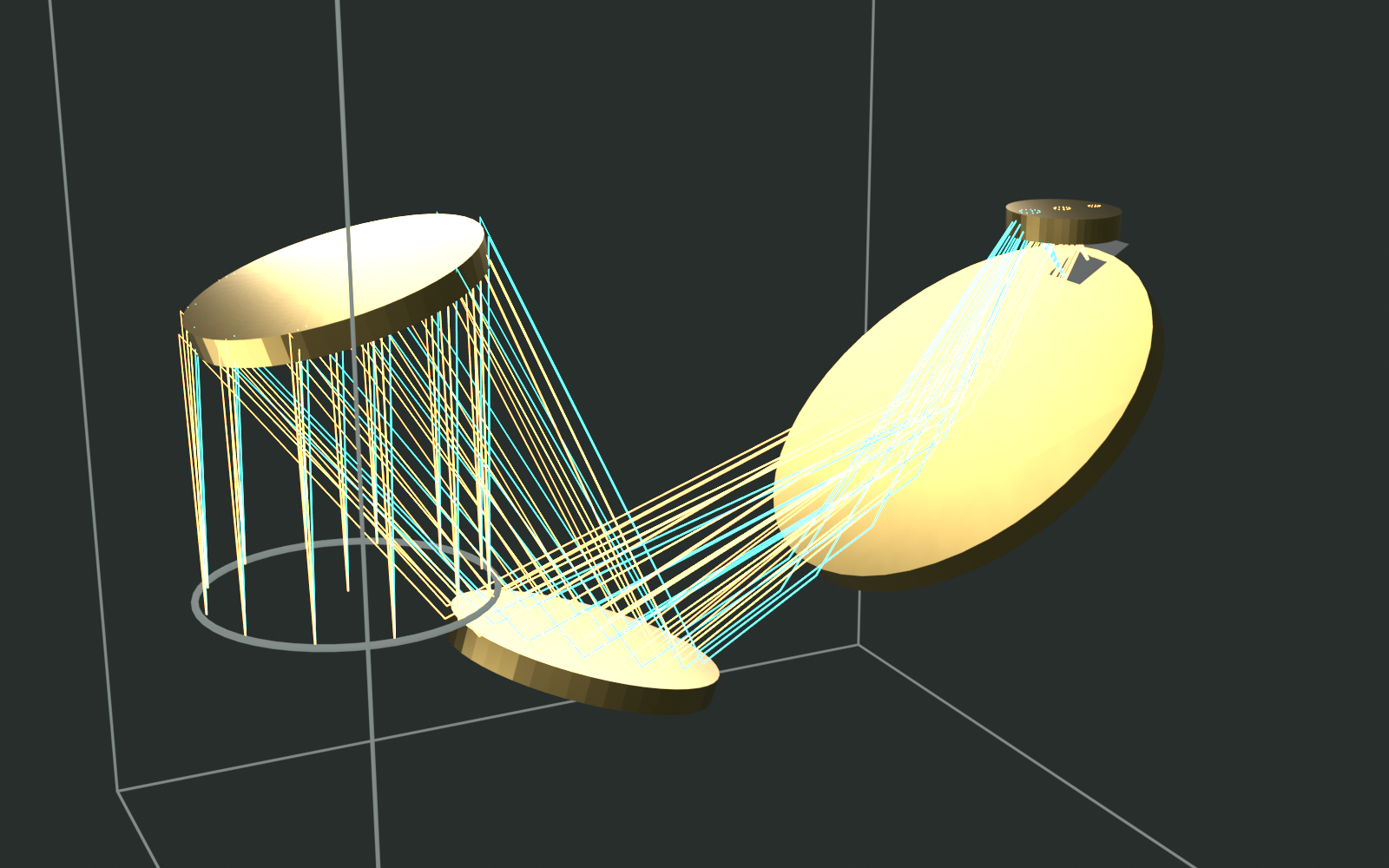
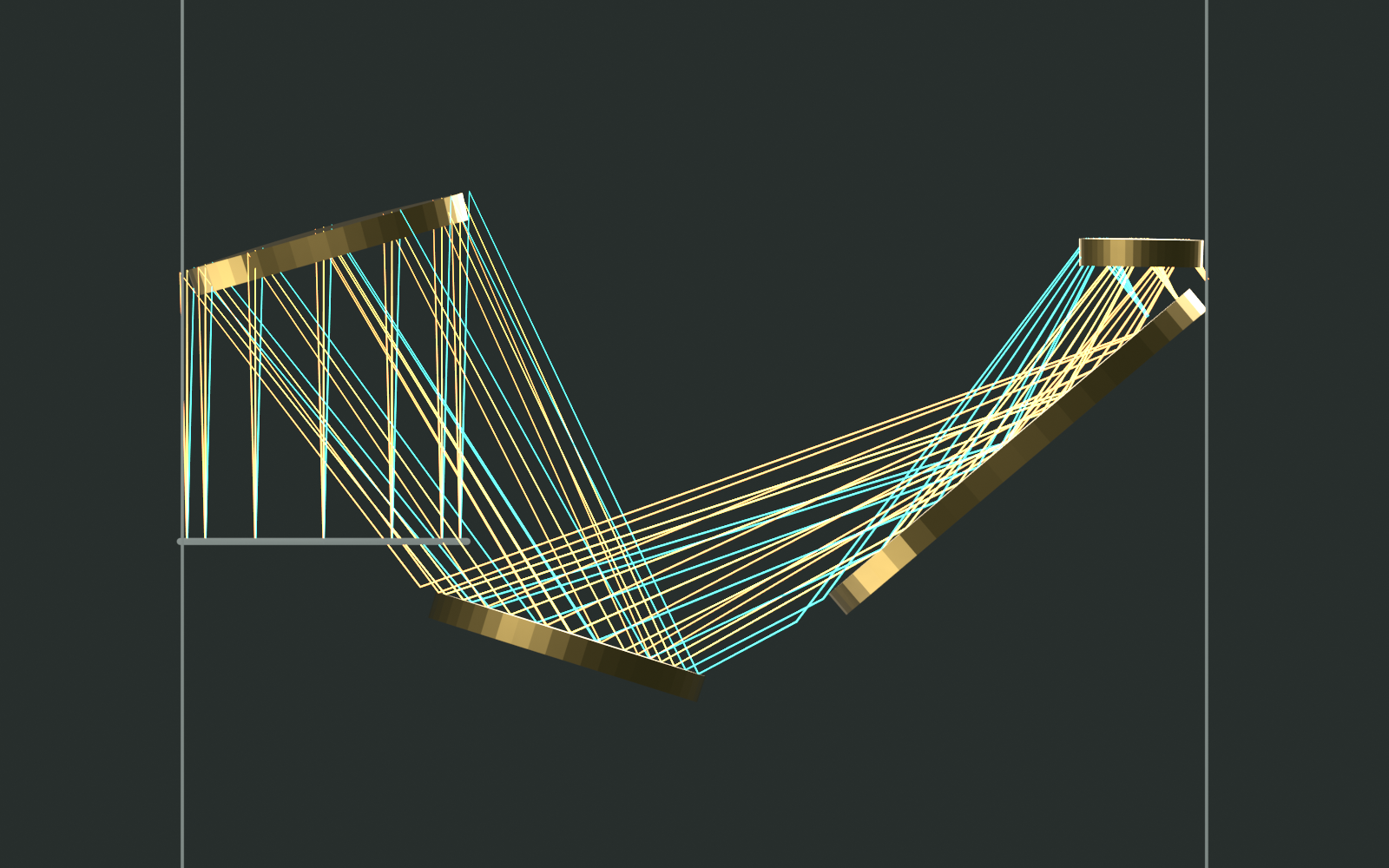
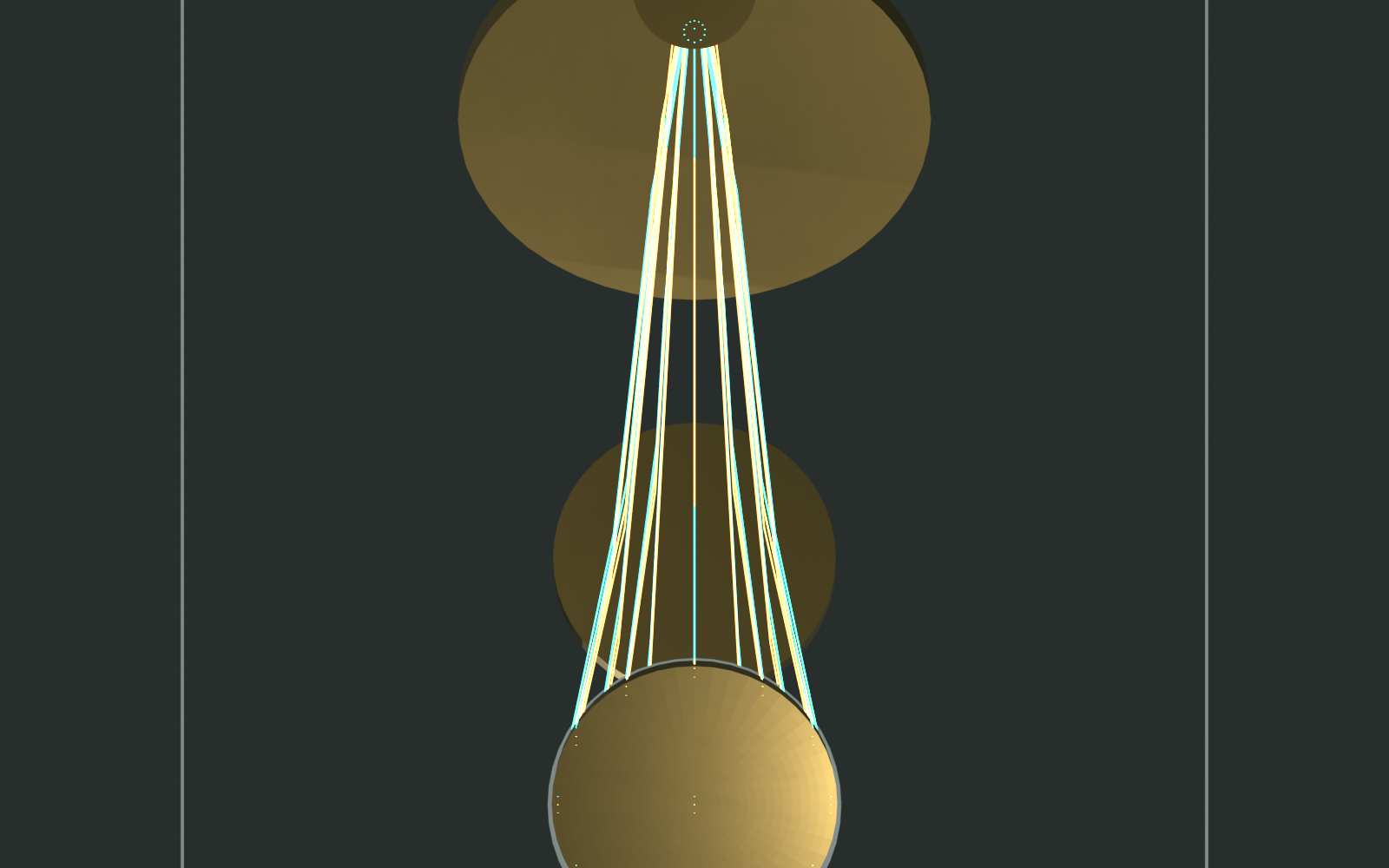
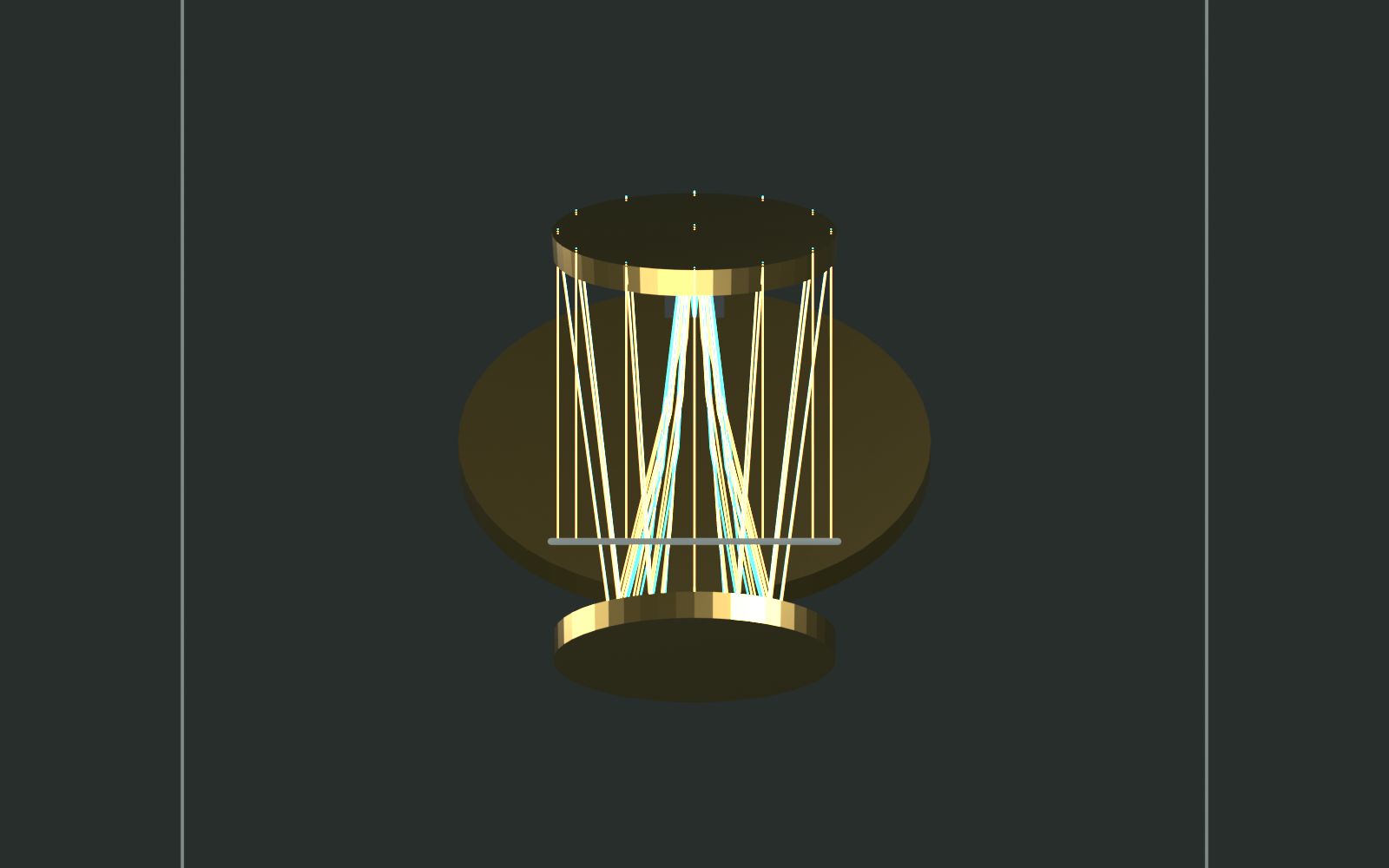
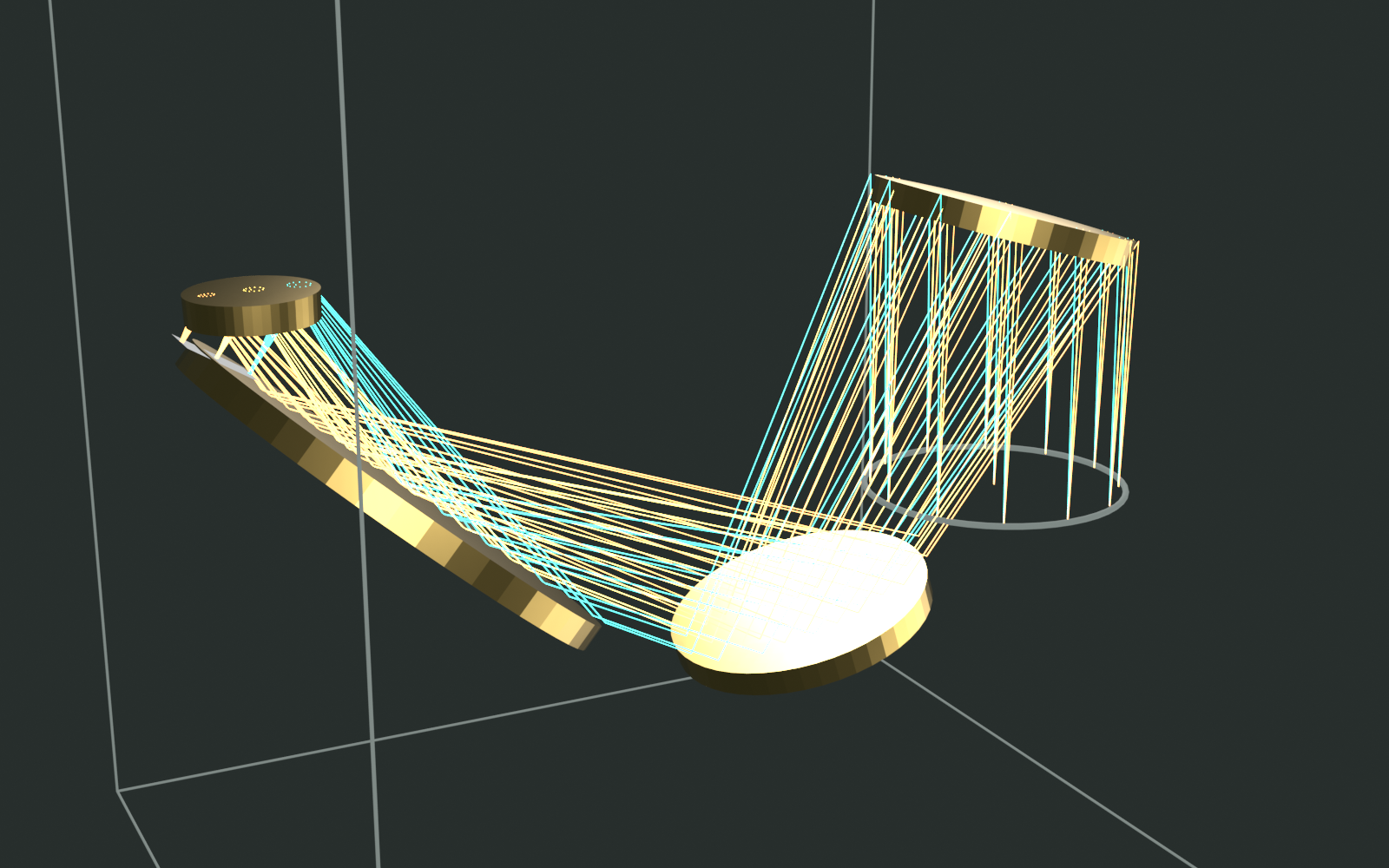
An optimized four-mirror prescription (10 June 2026) fits the 150 mm envelope, uses only conic mirrors, and reaches the diffraction scale at the centre of the field in ray-trace models.
AAO decision package
A compact long-wave infrared (LWIR) camera payload concept for drone searches that need to find smouldering heat sources before they become larger rural fire incidents.
Mission problem
The working mission is a 150 mm, sub-2 kg thermal payload that can support one-hour revisit planning, controlled false alarms, and replayable evidence for a smouldering target over rural backgrounds.
That makes this a camera-level decision: optics, detector, calibration, data pipeline, payload structure, and field testing have to close together.
The current evidence supports continued compact reflective work. It does not yet prove detection performance or fabrication readiness.
Current evidence
An optimized four-mirror prescription (10 June 2026) fits the 150 mm envelope, uses only conic mirrors, and reaches the diffraction scale at the centre of the field in ray-trace models.
Boson+ 640 radiometric is the preferred custom-optics detector branch, pending detector-coupled optical exports.
GSD, NETD, calibration drift, and false-positive scenes still need measured closure. No hardware exists yet.
Main technical risks
Four ray-path rules are first-class evaluation gates: non-vignetted propagation, small fold angles where practical, detector-plane placement, and flatter image surfaces.
Detection claims need raw or pre-automatic-gain-control thermal frames, NUC state, references, and replayable alert records.
Bench and surrogate targets must precede controlled burns, and no-fire rural scenes must be measured beside positive detections.
Technical archive
Requirements, survey assumptions, procurement, and decision fit.
Baseline, evaluation stack, multi-mirror branch, literature, and mechanical feasibility.
Detector choice, raw data, calibration, bandpass, and end-to-end modelling.
Physical allocation, field evidence, dataset policy, files, and review package.
Next AAO decisions
Confirm target area, altitude authorisation, payload count, false-alarm tolerance, and whether the 150 mm cube is a hard requirement.
Decide whether the optimized four-mirror prescription proceeds to tolerancing and vendor review, and whether the F-number trade reopens the architecture.
Lock the detector interface enough to replace generic image-energy assumptions with measured FPA and calibration behaviour.
Approve the bench-to-field route before controlled burn claims or operational readiness claims are made.